
WHEN WE EAT with Fathy Mahmoud
Written by Menna El Badry Photos by Mohamed Farouk
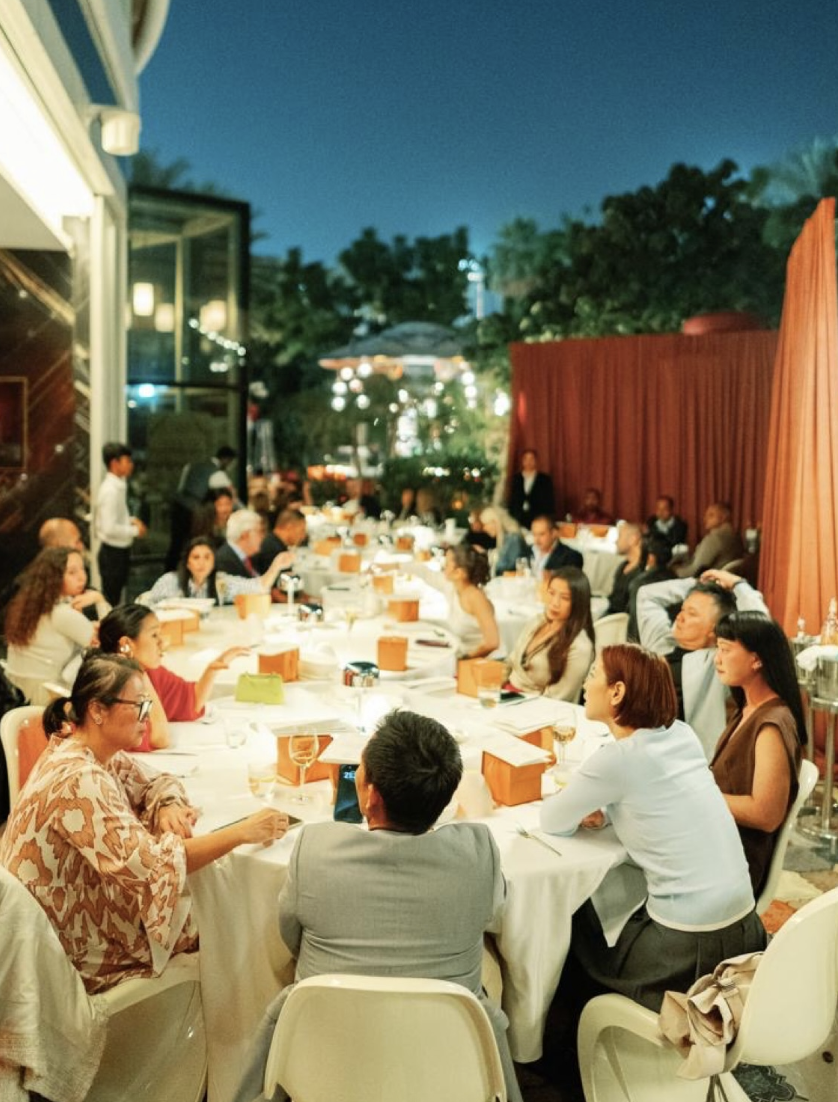
On February 6th, 2026, Fathy Mahmoud Porcelain stepped into the regional spotlight through a curated WHEN WE EAT experience at W Dubai - Mina Seyahi. Amidst a landmark celebratory week for the region’s gastronomic community, the evening was designed to move beyond the traditional product showcase. A guestlist of the MENA’s HORECA industry leaders were invited to experience first-hand the brand’s collections as essential instruments of hospitality in the hands of world-class chef and longtime brand collaborator, Karim Abdelrahman, and W Dubai’s own Chef Necati Gumus. The evening redefined the porcelain plate from a decorative backdrop to a purposeful tool that guides the chef's work and shapes the very rhythm of service.
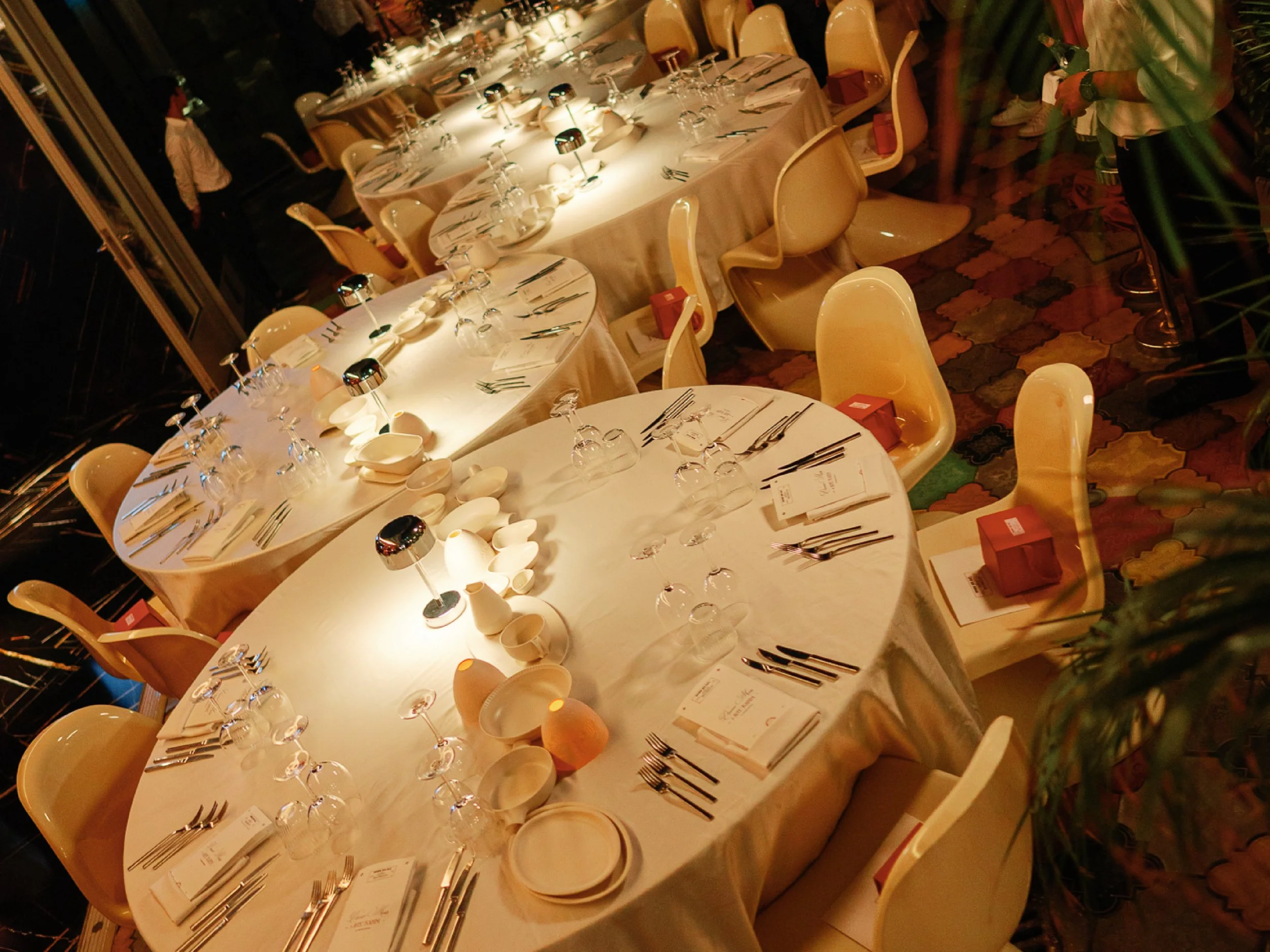
Orchestrated by WHEN WE EAT, the evening allowed guests to witness Fathy Mahmoud’s fine dining and culinary-focused collections in action, marking the brand’s evolution from a local staple to an inevitable force on the gastronomic stage. The night unfolded with an art installation highlighting the brand’s fine dining and culinary-focused collections, leading into an intimate multi-course dining experience designed wholly around the brand’s most distinctive creations. Featuring a collaboration between Egyptian culinary mastermind Chef Karim Abdel Rahman and W Dubai’s own Chef Necati Gumus, the menu explored the silent way a plate’s design can inspire the very creation of a dish. Set against the backdrop of a landmark celebratory week for the region’s gastronomic community, the showcase served to position Fathy Mahmoud’s enduring legacy within the global conversation of culinary excellence.
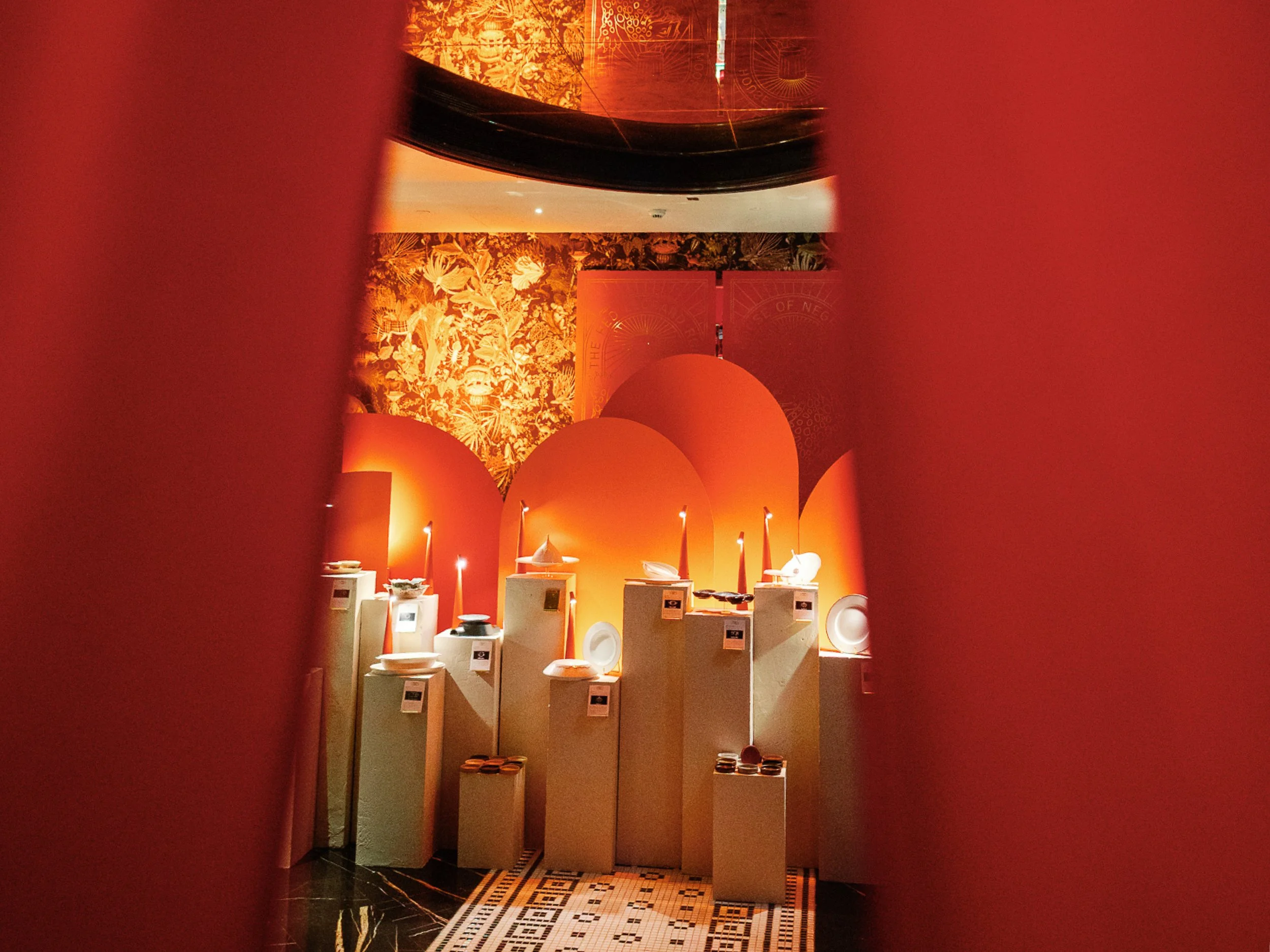
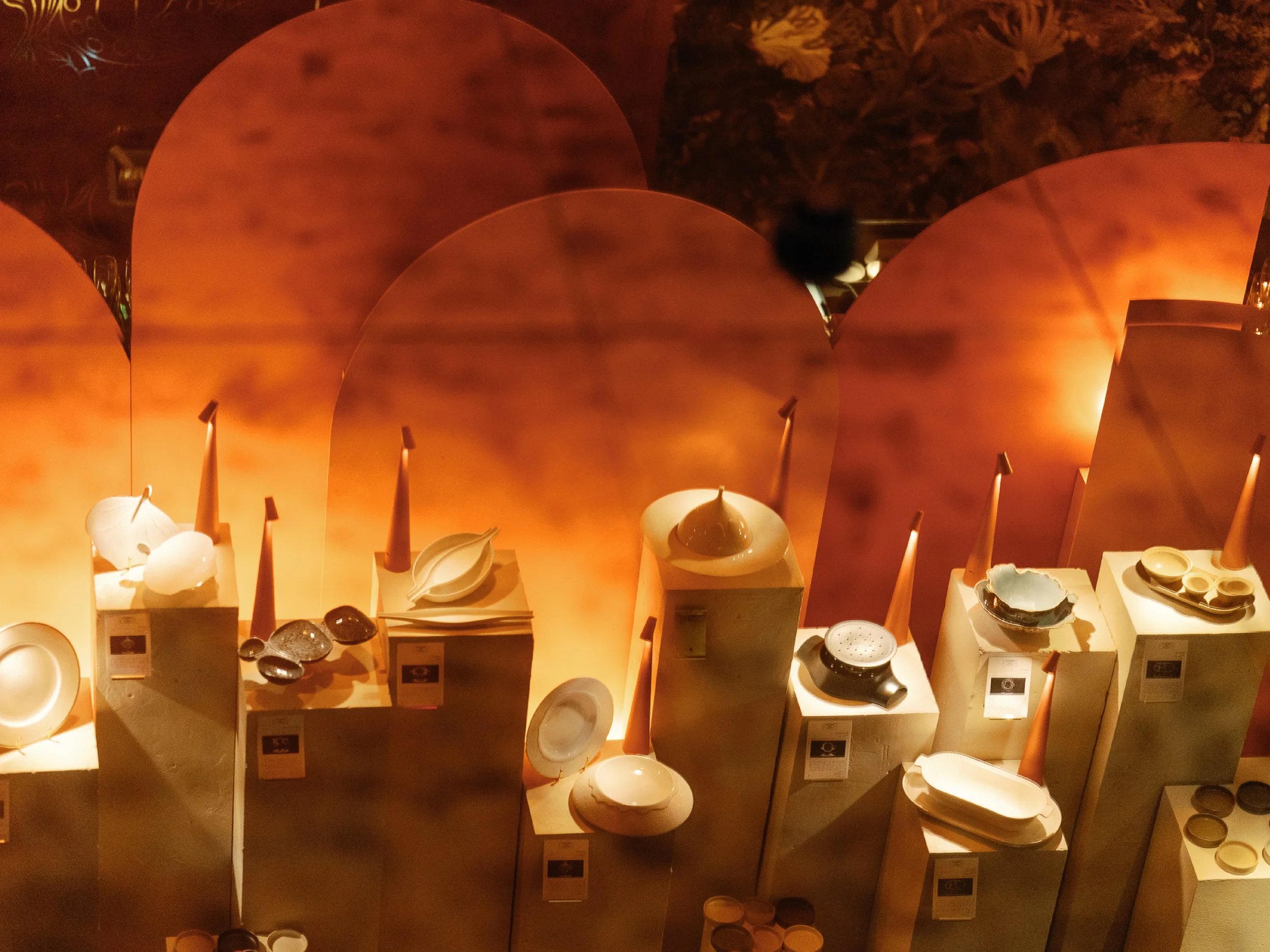
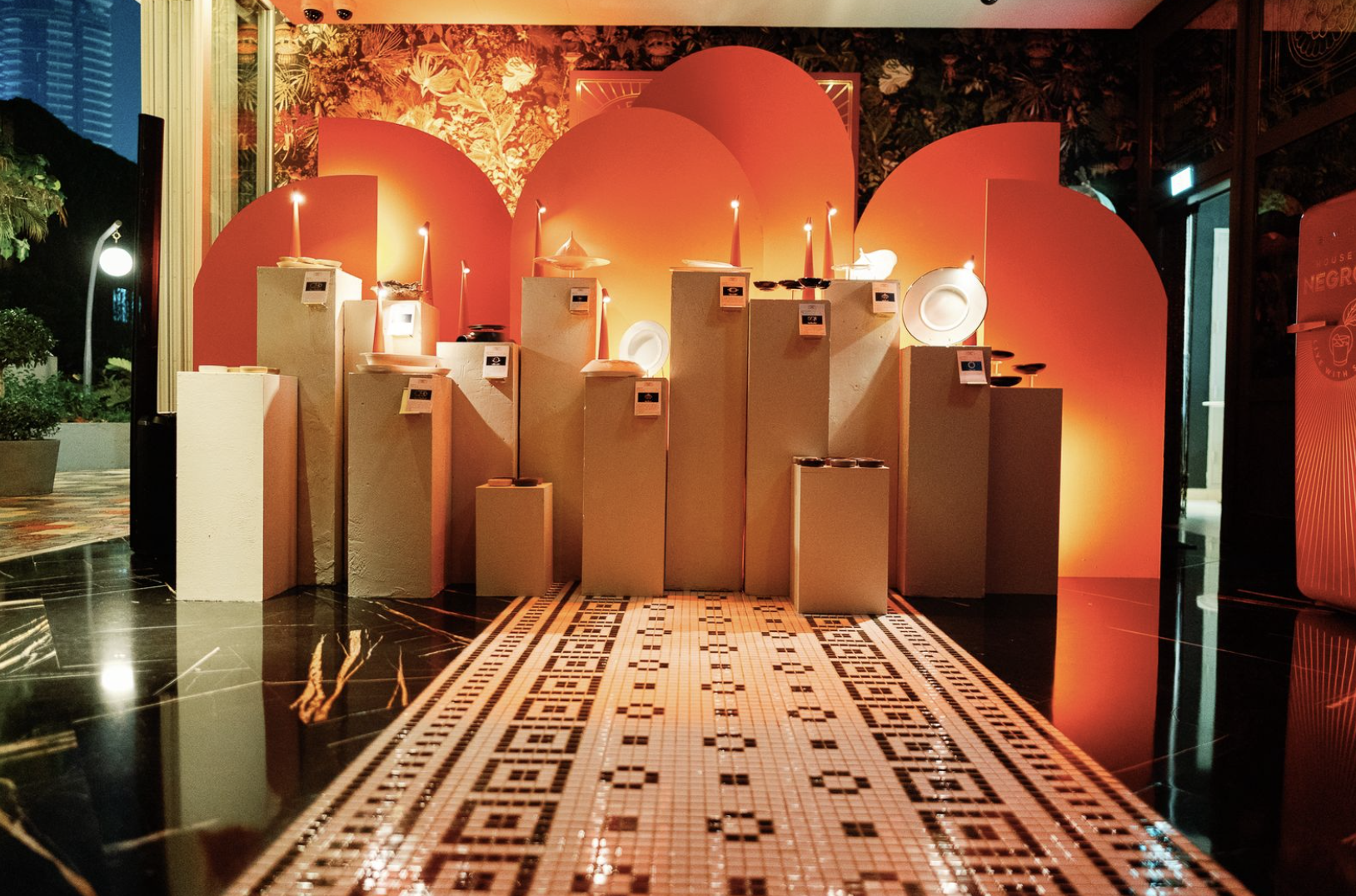
The showcase began with an immersive installation that treated the plate not as a decorative object, but as a technical foundation. Elevated on pedestals and accompanied by design blueprints, the pieces were presented as designed instruments—with weight, depth, heat behavior, and intention—rather than as part of a sculptural composition. This analytical gallery; minimal, disciplined, and precise, invited looking rather than spectacle, and understanding rather than interpretation, portraying Fathy Mahmoud’s work as the silent discipline that dictated the success of a service.
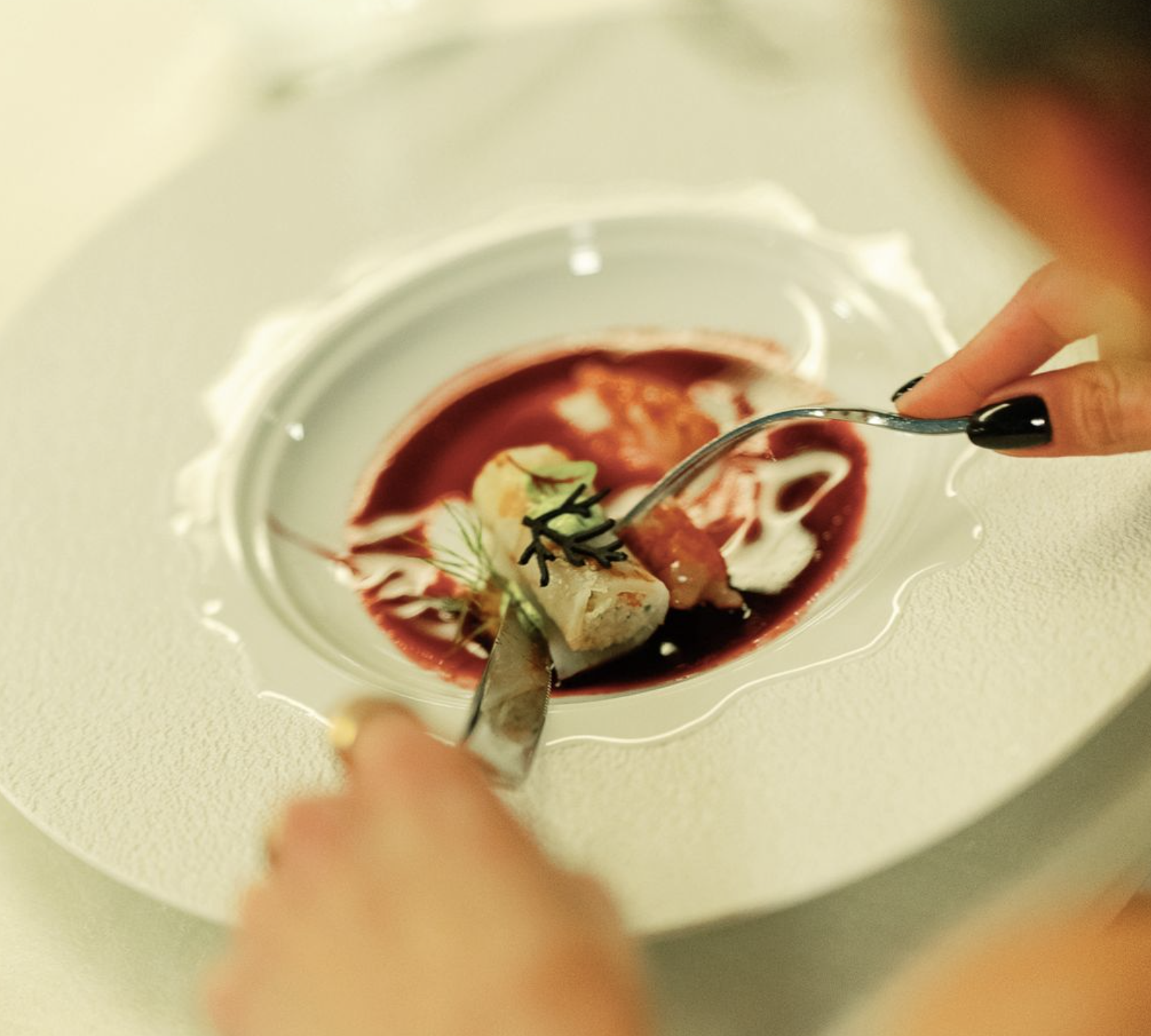
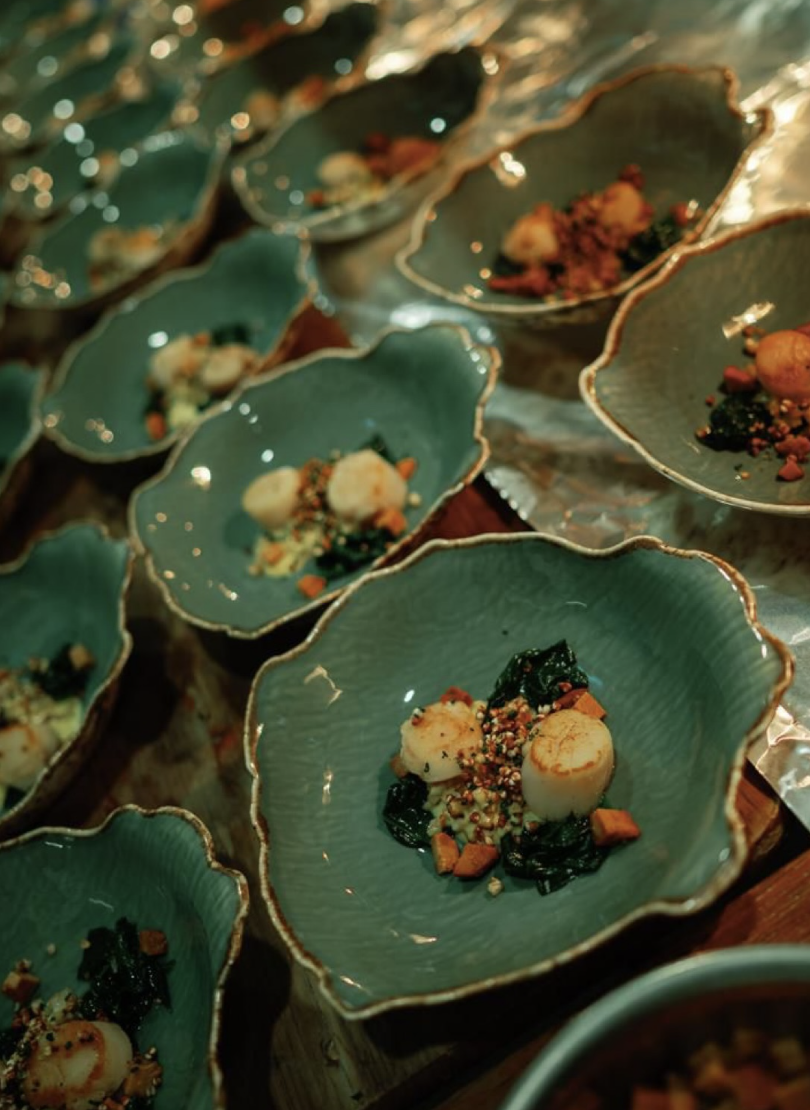
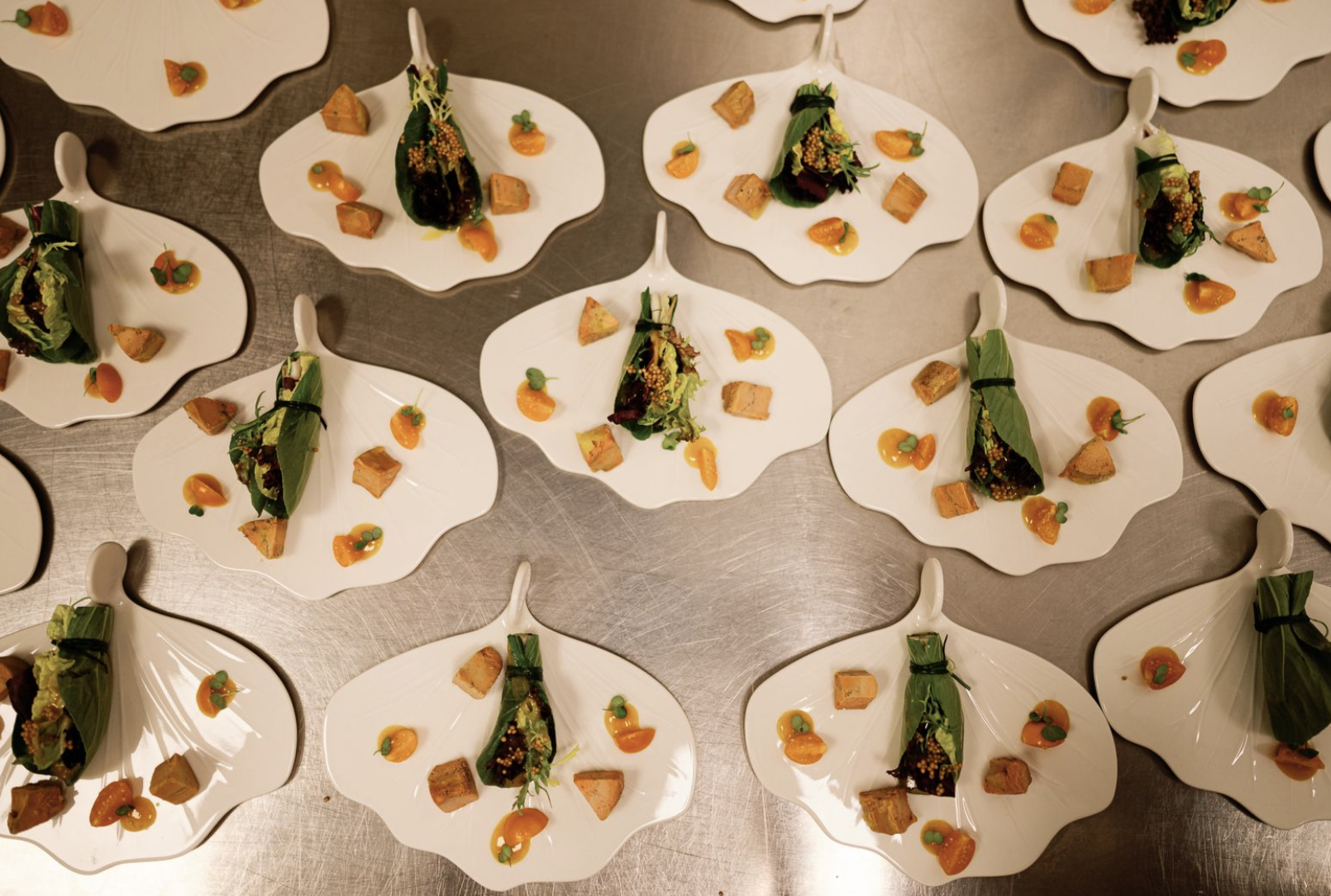
Moving beyond a standard composition, Chef AbdelRahman and Chef Gumus designed a menu that highlighted eight of the foundational pillars of tableware design. Each course drew from the brand’s most iconic forms, from the organic, fluid nature of the Reef Collection to the disciplined craftsmanship and finesse found in the legacy Ring Gold series, demonstrating how the plate design guides the chef’s work and elevates the guest’s experience even before their first bite was taken.
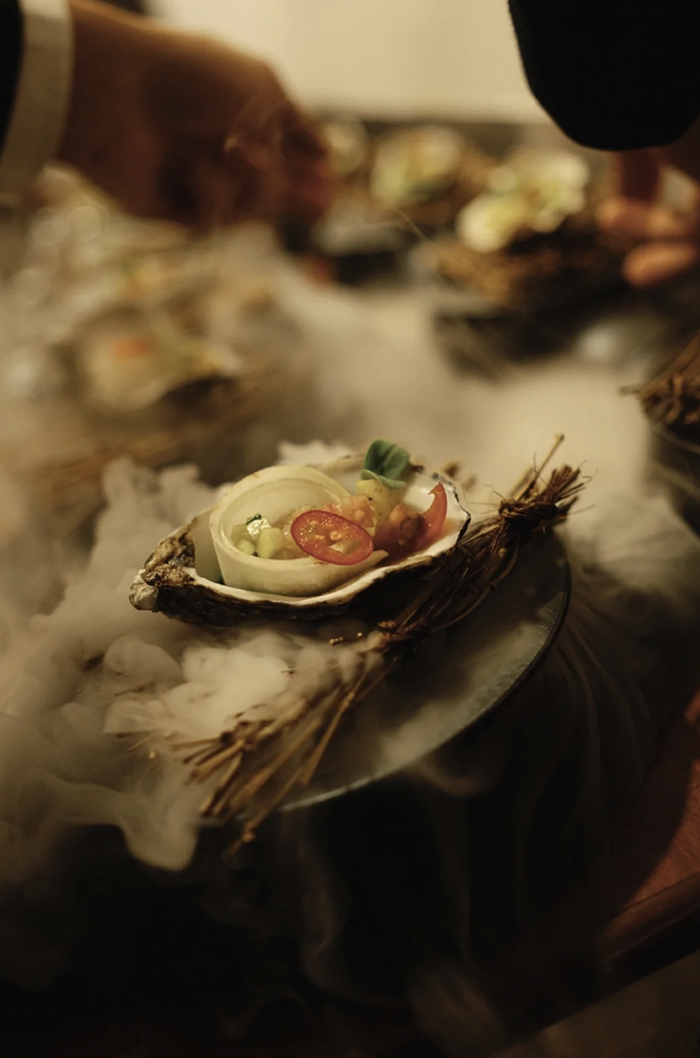
The Layering course featured fresh, locally-sourced Dibba Bay oysters with an Egyptian "Whiskey" salad dressing and herb oil; in a marriage of Emirati and Egyptian flavor, highlighting the intrinsic link between the oyster shell and the plate that carries it, both 'vessels' shaped by time, pressure, and fluid movements. For Contrast, exclusively sourced Egyptian red shrimp was paired with a vibrant hibiscus rose-water sauce, fresh crab remoulade and dill oil; the dish’s bright colors popped against the white plate, with layers of flavor and texture sitting underneath the softness of the poached shrimp, its raw saltiness and the sour, almost bitter taste of hibiscus sparking a vibrant resonance on the palate. The concept of Rhythm utilized a ‘Kebab and Kofta’ progression to represent the layered and interactive flow of Egyptian and Arab dining traditions through a wittily executed selection of familiar flavors like Eggplant and Tomato Confit Mille-feuille and Tahini Purée. The experience concluded with Legacy, a classic Fathy Mahmoud Ring Gold plate carrying an Apple Tarte Tatin, its simple combination of flavors requiring a lot of skill and talent to produce properly; the same way the simple white plate with a gold rim requires years of skill and knowledge to produce impeccably—a legacy that provides the base for the brand’s further explorations.
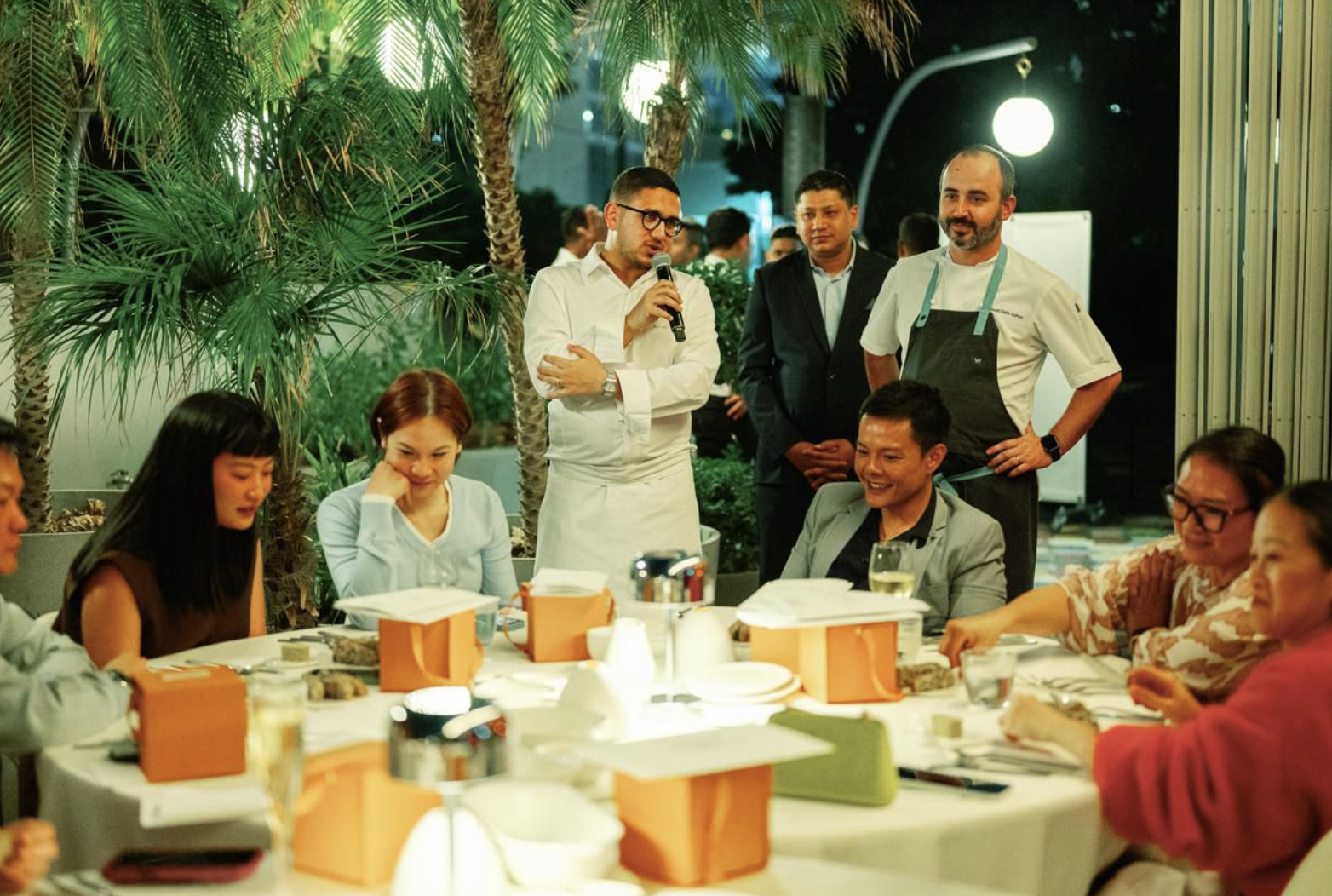
When we eat, we feast with our eyes long before we take our first bite. This experience was a reminder that the plate is never a neutral backdrop, but a tool that disciplines the hand of the chef and sharpens the perception of the guest. Through the legacy of Fathy Mahmoud, we saw how technical rigor creates a foundation for creativity to flourish, proving that when tableware is engineered with intention, it does more than carry a meal; it creates an enduring language of dining that is interpreted by the senses before it is ever understood by the tongue.