
THE ARCHITECTURE OF TASTE: FOURTH EDITION
Written by Menna El Badry Photos by Aziz
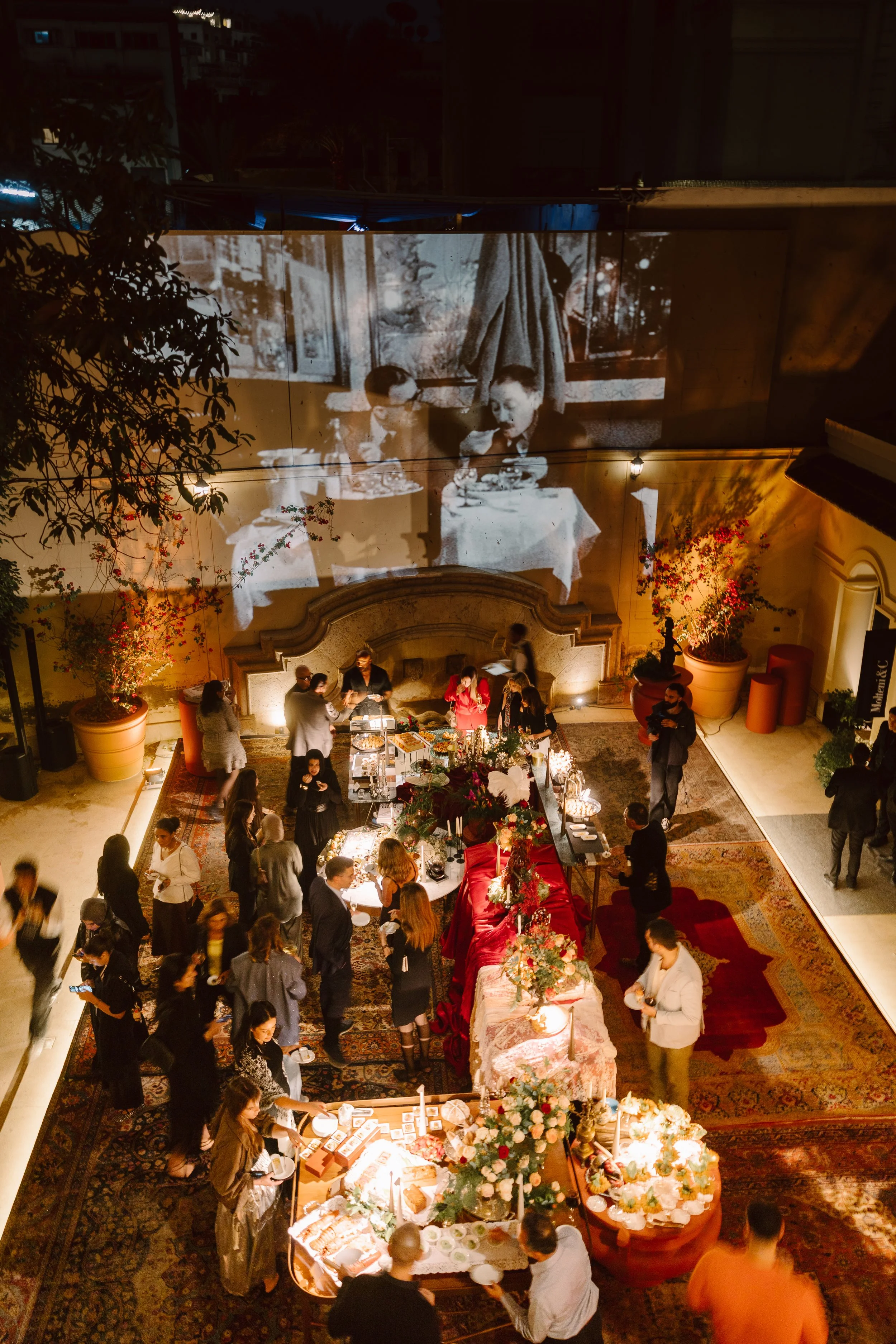
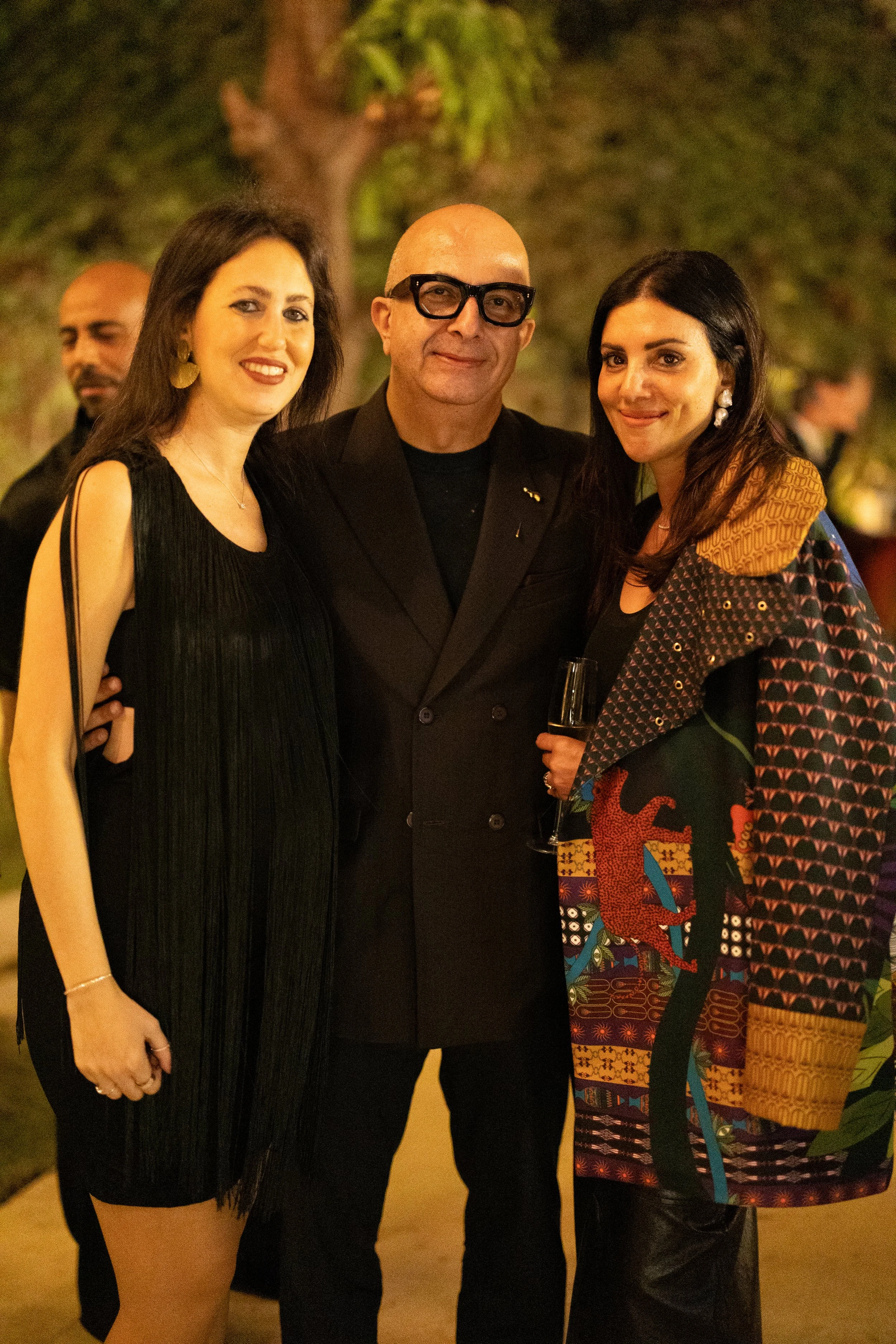
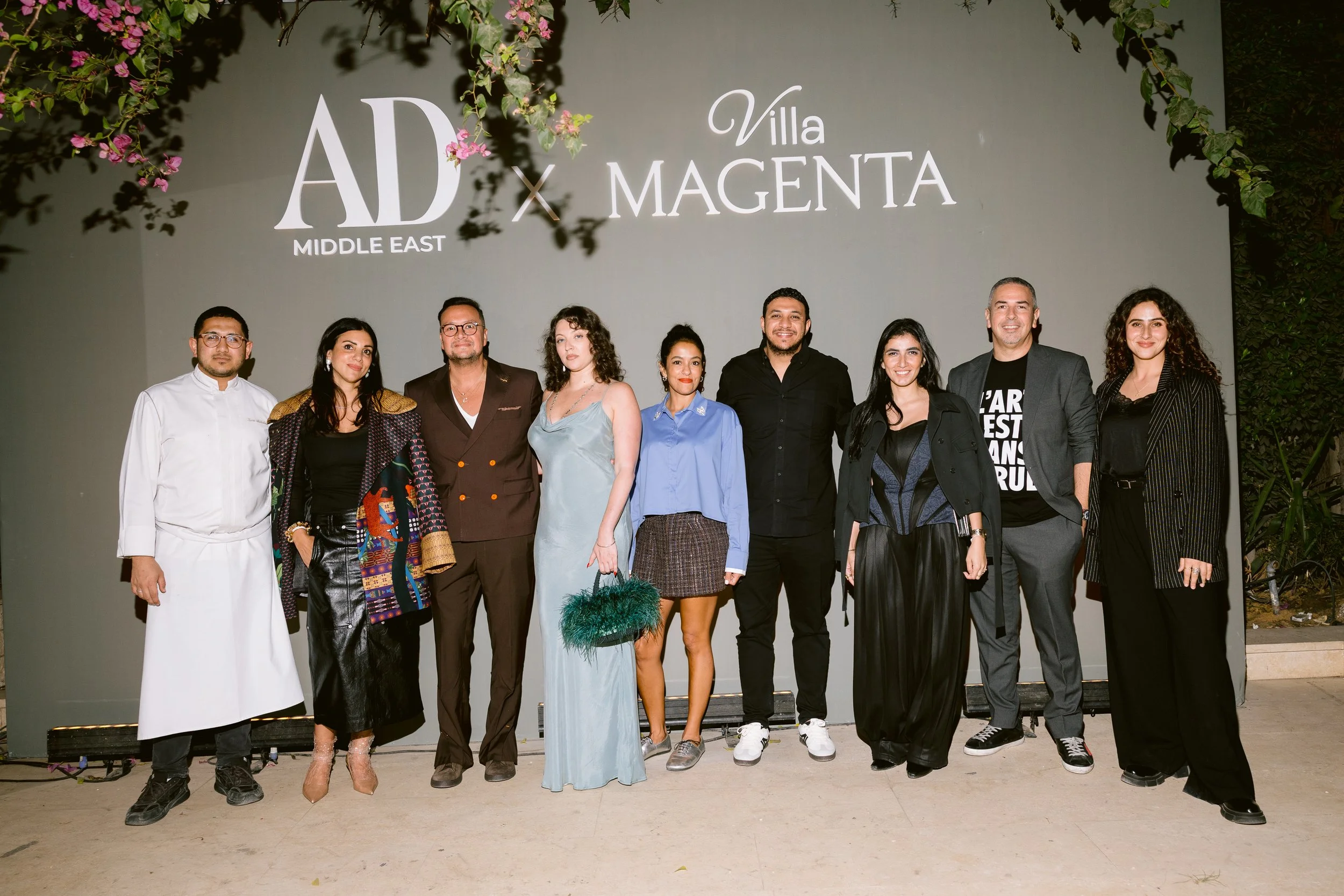
The night begins at Villa Magenta, a living archive of Cairo’s ever-evolving soul, nestled in the heart of Heliopolis, the century-old district where Islamic details subtly weave themselves through the Parisian fabric of the neighborhood’s urban design. The villa’s garden stirred with life as AD Middle East & Villa Magenta readied to celebrate Cairo Design Week’s third edition. Here, The Architecture of Taste—a traveling concept rooted in the dialogue between space and flavor—took table form, unfolding a magnificent rendition of a landmark’s story, with chapters of its history distilled into an exquisite dining experience. A curated guestlist of Cairo’s design-scene elite wandered through time, guided by the echoes of design and the choreography of the table.
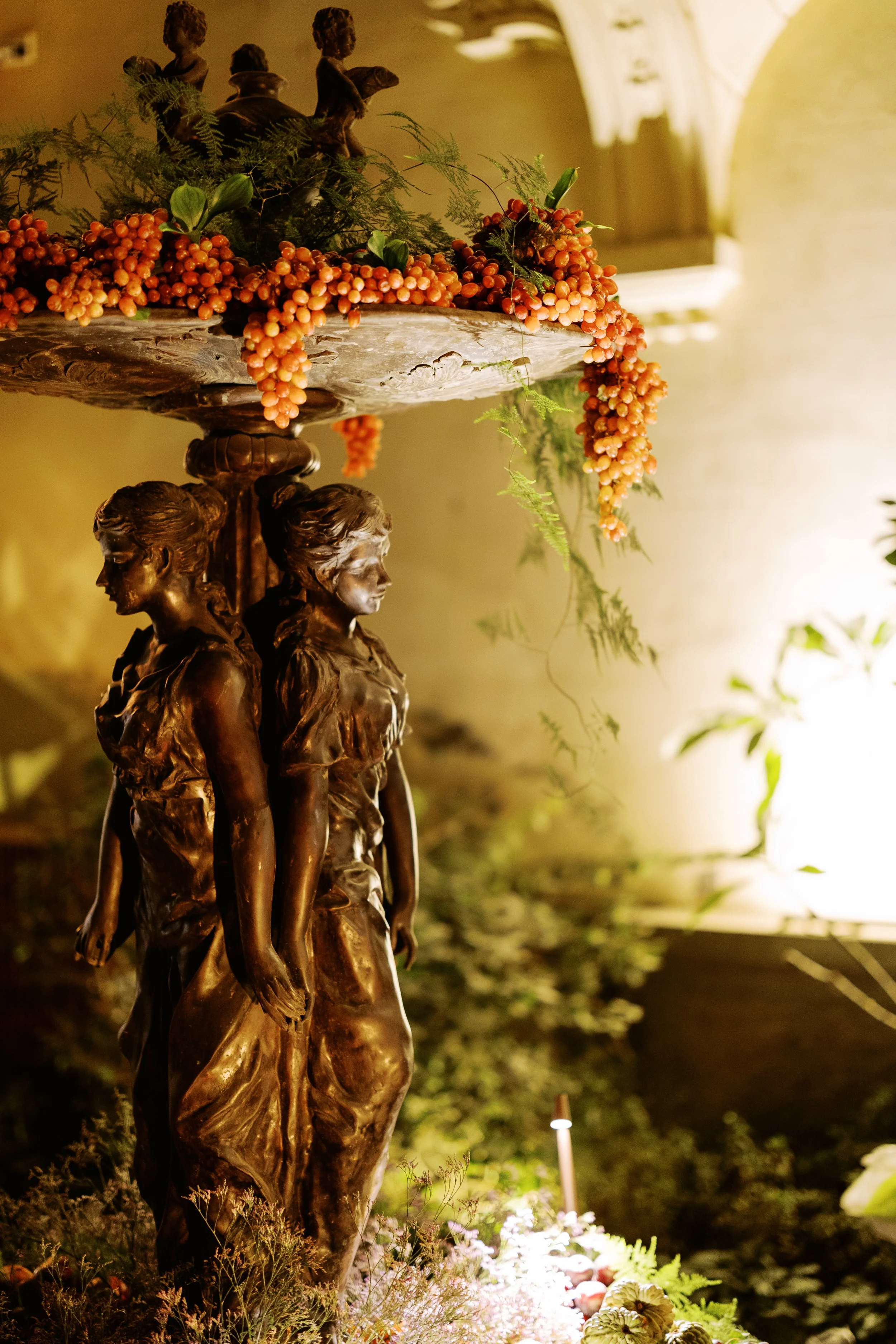
The fourth edition of The Architecture of Taste unfolded in a shared dialect of design and gastronomy.
Not as a dinner, but as a story the villa had been waiting years to tell. The guests: designers, thinkers, the quiet custodians of Cairo’s creative world, wandered in with a feeling that they were stepping into another time. Around them, the villa whispered. It whispered of the early 19th century, when Neo-Moorish arches met European grandeur while Mounira El Mahdeya, the “Sultana of Song”, filled its rooms with her captivating voice; and of the midcentury tenure when an Armenian Orthodox family wove their life into its fabric. It whispered of its Spanish, Italian, and French tenants who, over the years, left traces in taste, rituals, and the delicate art of hospitality.
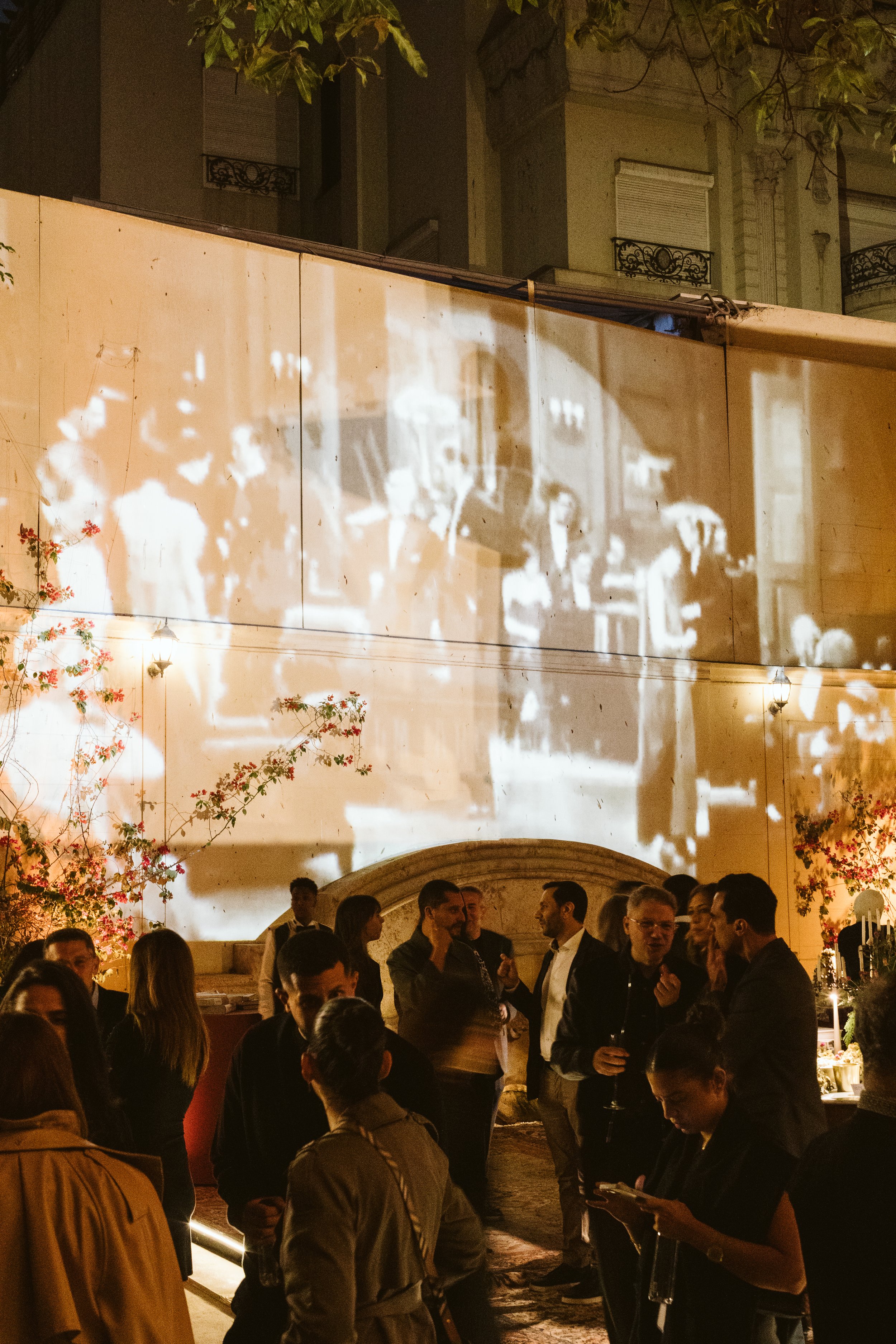
Those whispers are what architect Mohamed Fares has been listening to since 2021, while working to revive the Villa alongside its current owner & guardian, Ramy Effat. He walked the villa the way one reads an heirloom book: pausing at torn pages, deciphering faded margins, searching for what remained between the lines. Within the blurred details and the stories held in faint memories, he wove its story into a new expression, one that honored what was, while dreaming of what is yet to come. Through this journey, three eras emerged in sharp focus, like chapters of a well-worn novel. And these eras became the foundations of the night’s feast.
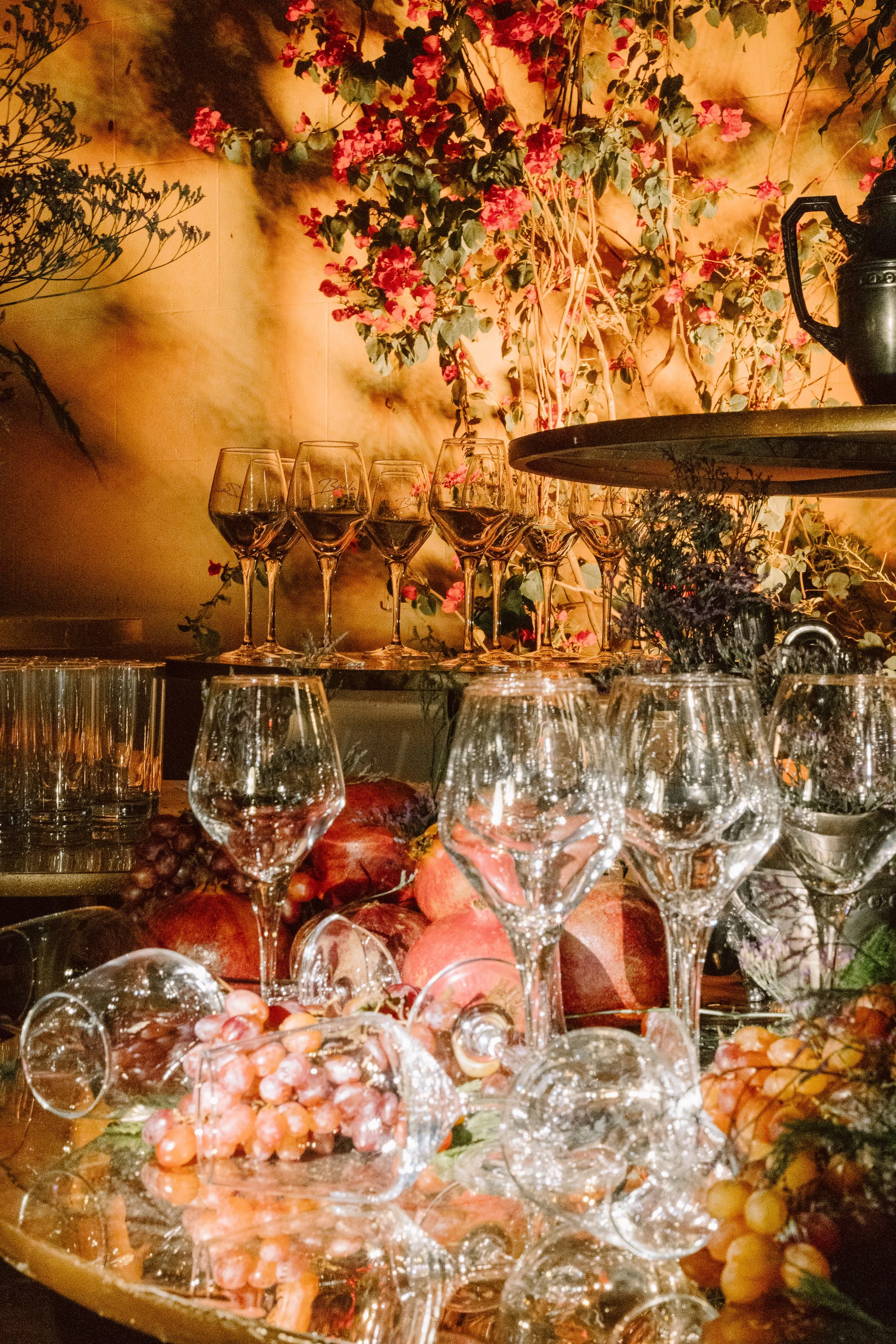
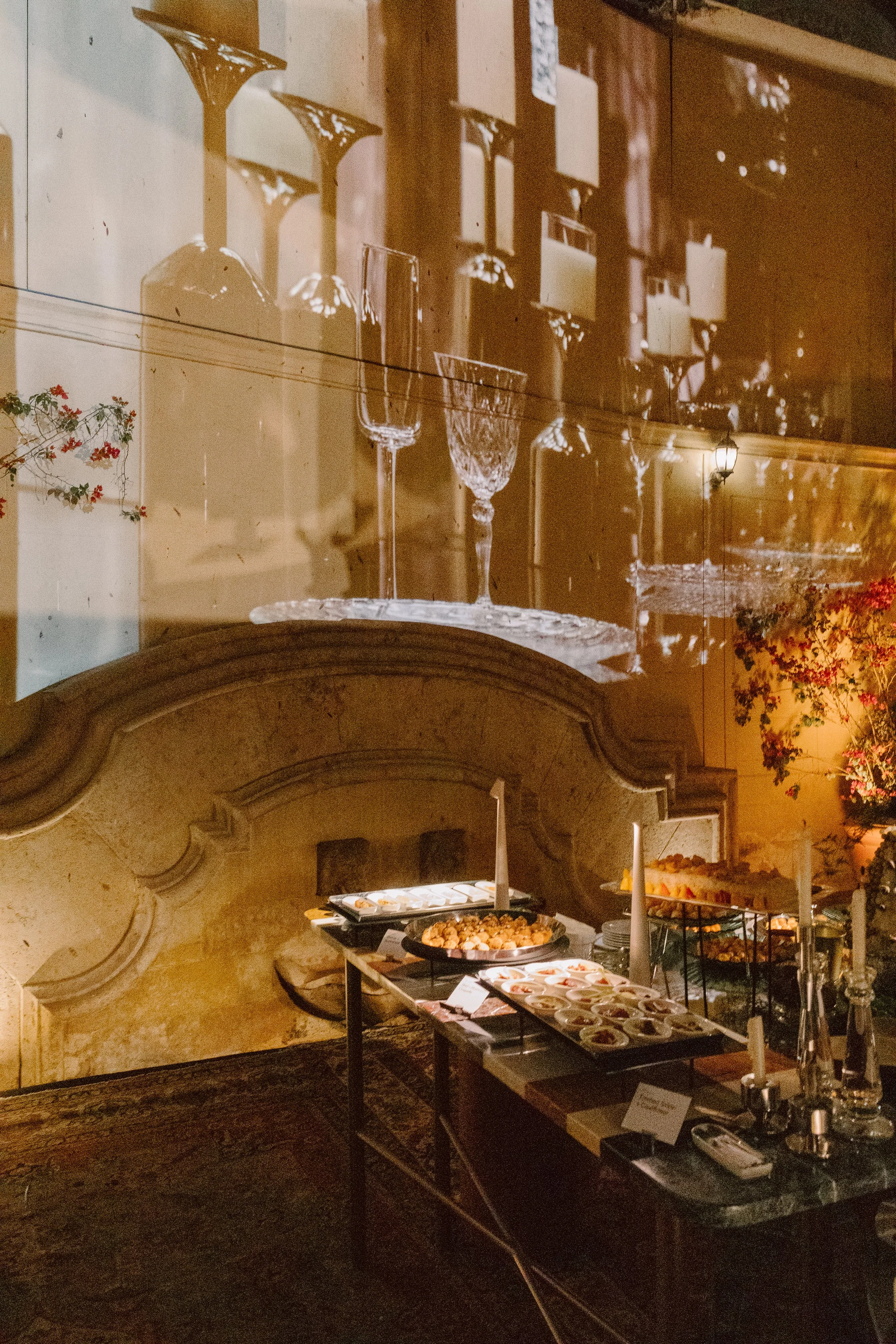
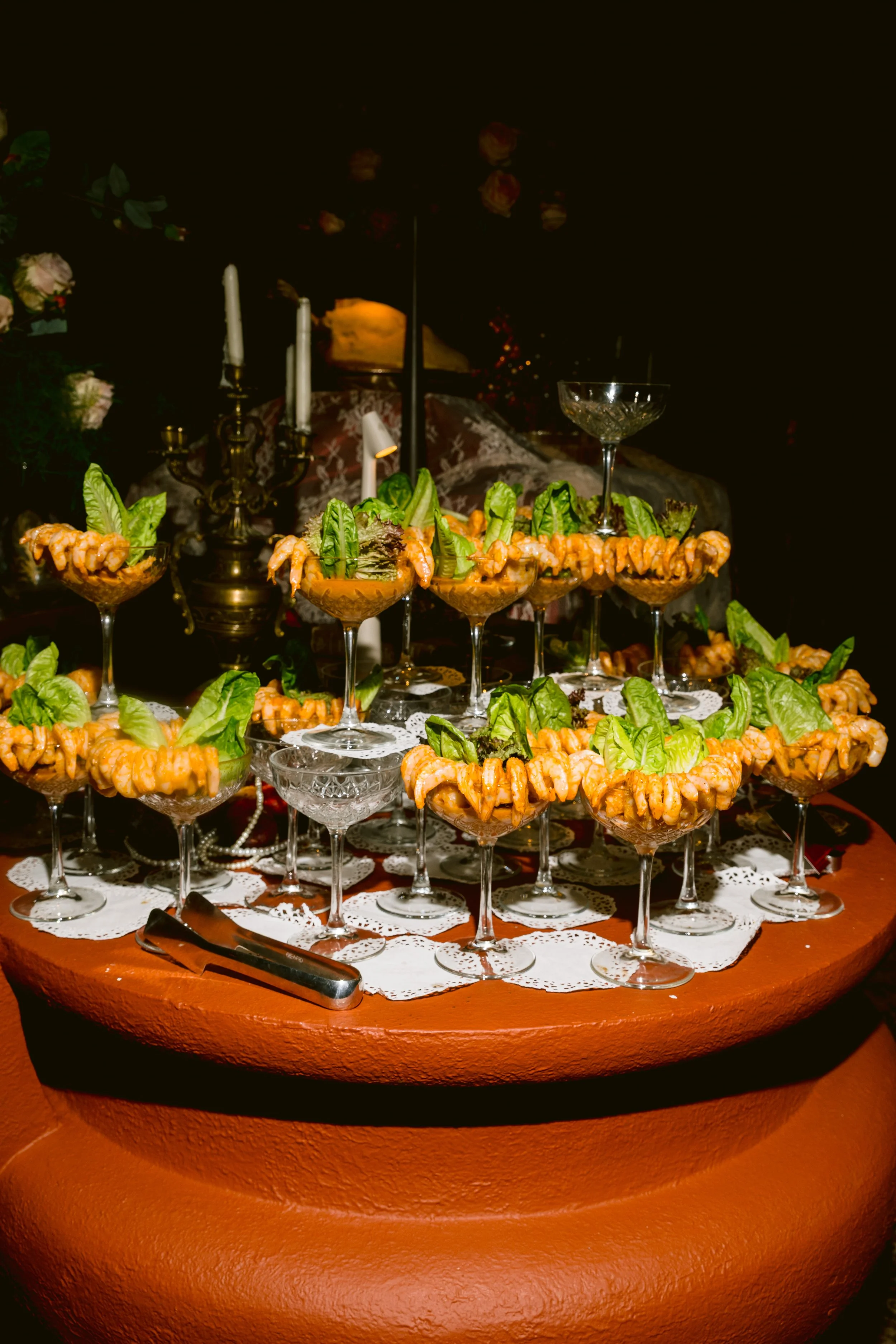
Here is where Chef Karim Abdelrahman stepped in, not just as a chef, but as a translator. Where Fares spoke in light, space, and memory, Karim answered in historical flavor and narrative. Alongside his team of culinary creatives, he traced the villa’s shifting etiquette, its evolving appetite, and the foreign influences Cairo absorbed and transformed into something unmistakably its own. Shaped into a flowing timeline of the villa’s gastronomic history, the table brought to life stories too rich to tell in words. It became a small window into different moments in time; each gesture of service, a reenactment of how the house once lived and hosted. Together, the architect and the chef began a dialogue—one of form and ritual, of history and taste.
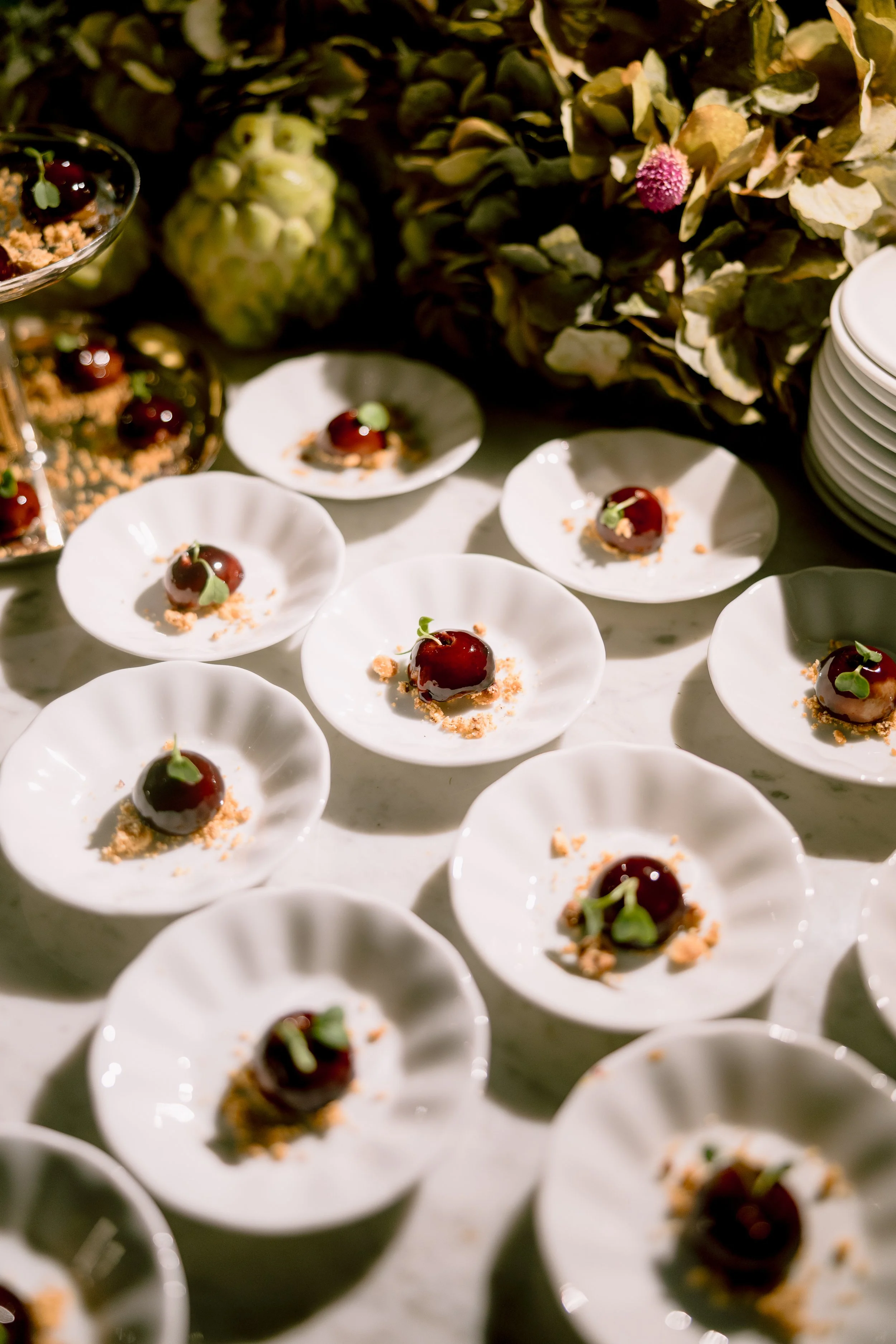
Time traveled again, and the contemporary table emerged, light, confident, and rooted in the global philosophies of Modernist Cuisine, the menu an intellectual statement achieved through technological precision and conceptual playfulness. The beef sirloin’s rosy perfection signaled the embrace of the Sous Vide technique. The Foie Gras was cleverly disguised as a glazed cherry rocher, a trompe-l'œil puzzle reflecting a broader modern theme: the idea that a dish's identity is not fixed by its form, rather by the primacy of its core ingredients. Cured salmon arrived perched on raw oyster shells, and tableware stripped into minimalistic and organic shapes, allowing the ingredients to speak of locavorism, valuing the truth and authenticity of the dish's unadorned origin. The modern Egyptian palate: globally curious yet culturally rooted, appeared in every focused, complex bite.
The three chapters that defined Villa Magenta’s character became the anchors of the feast, the points where history sharpens into narrative.
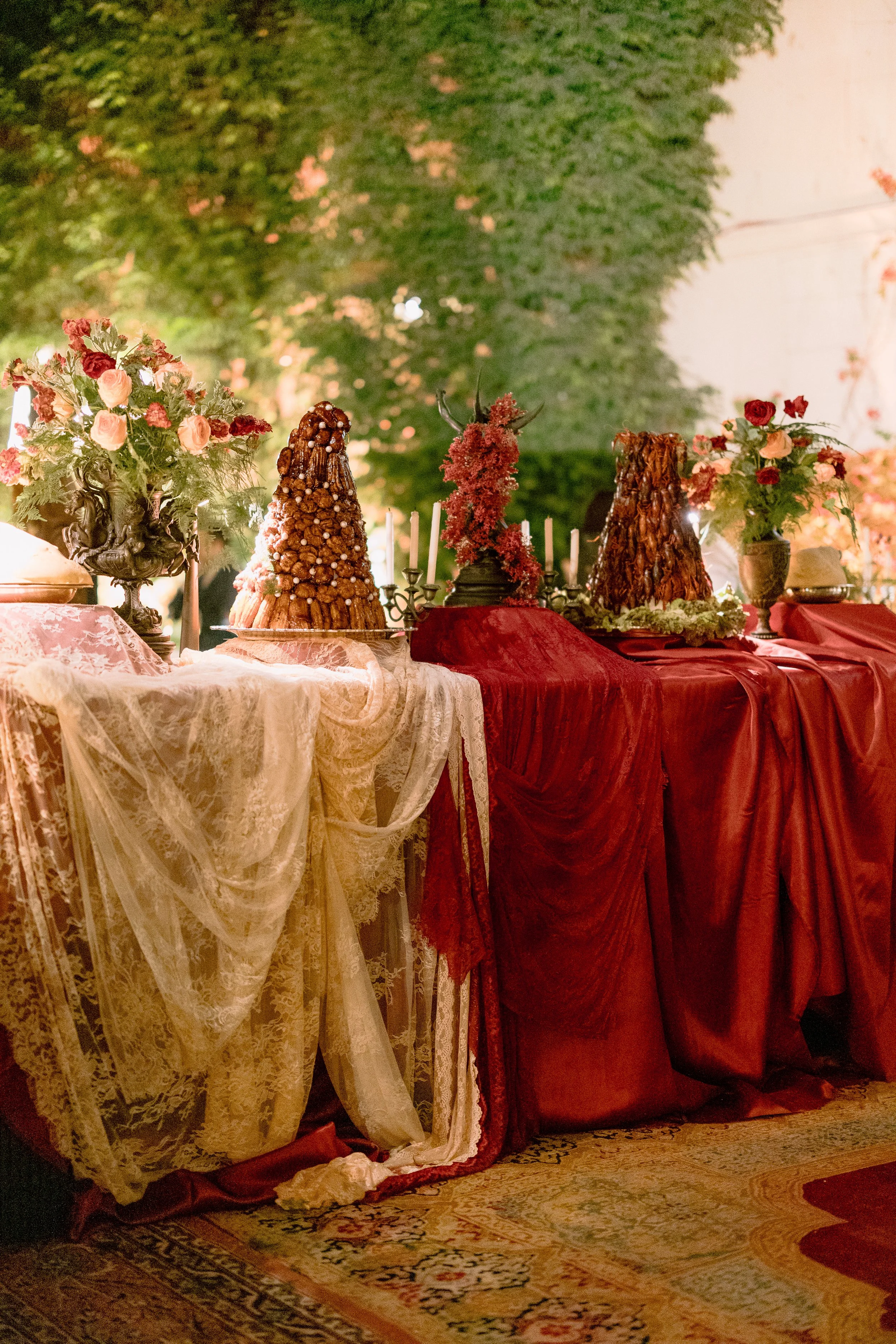
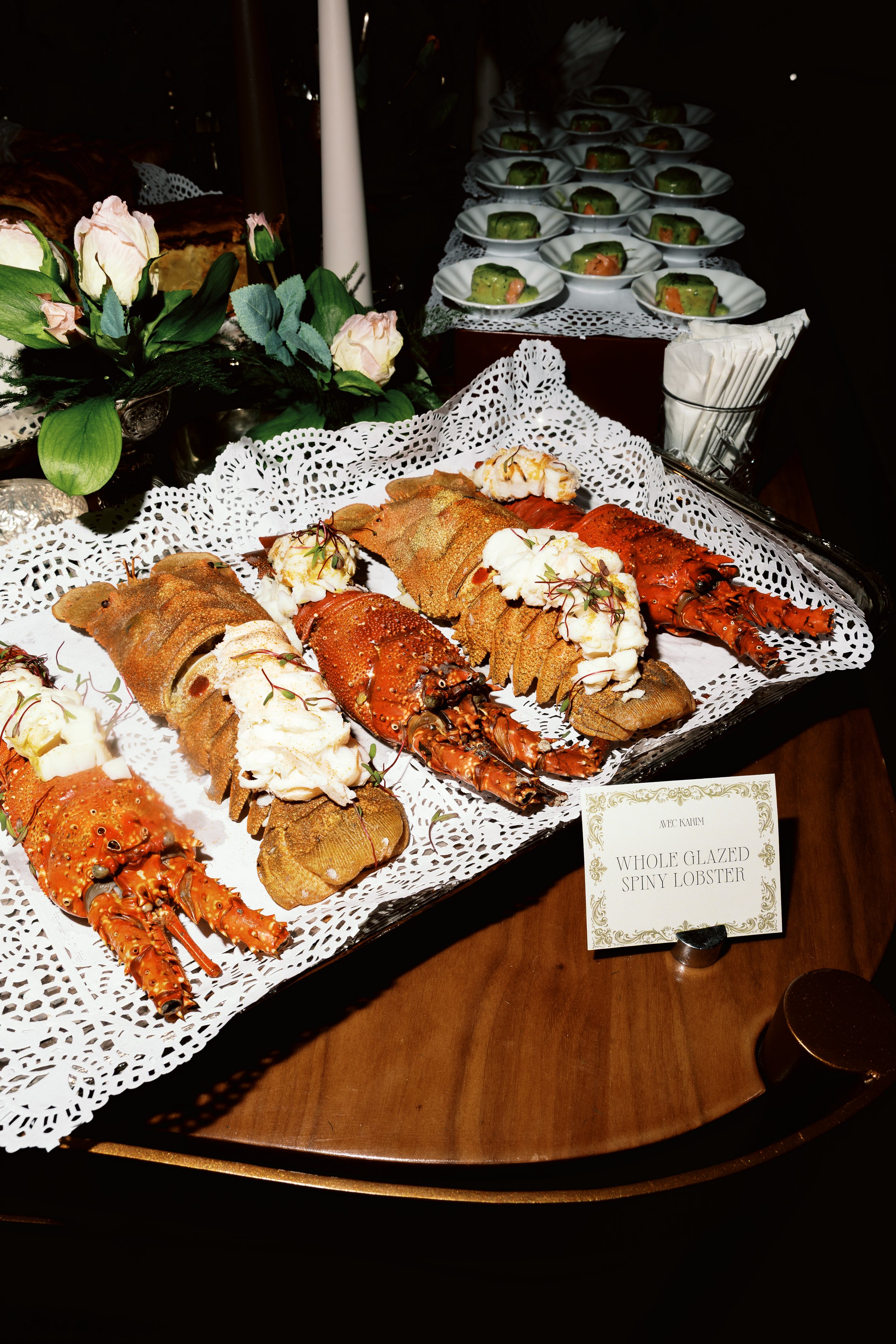
The first table carried visitors back to the villa’s early years, when a meal wasn’t served in courses, but unveiled in a single, lavish tableau of abundance. This philosophy called for gleaming whole-glazed spiny lobsters, salt-crusted whole chickens and towers of crayfish served atop ornate silver platters. The presentation of the whole hunt was a deliberate, powerful act, symbolizing the host’s dominion over nature and their unquestioned social status. Lace doilies, tiered stands, heavy silver, the same ornamental vocabulary once carved into the villa’s own walls, returned as edible architecture.
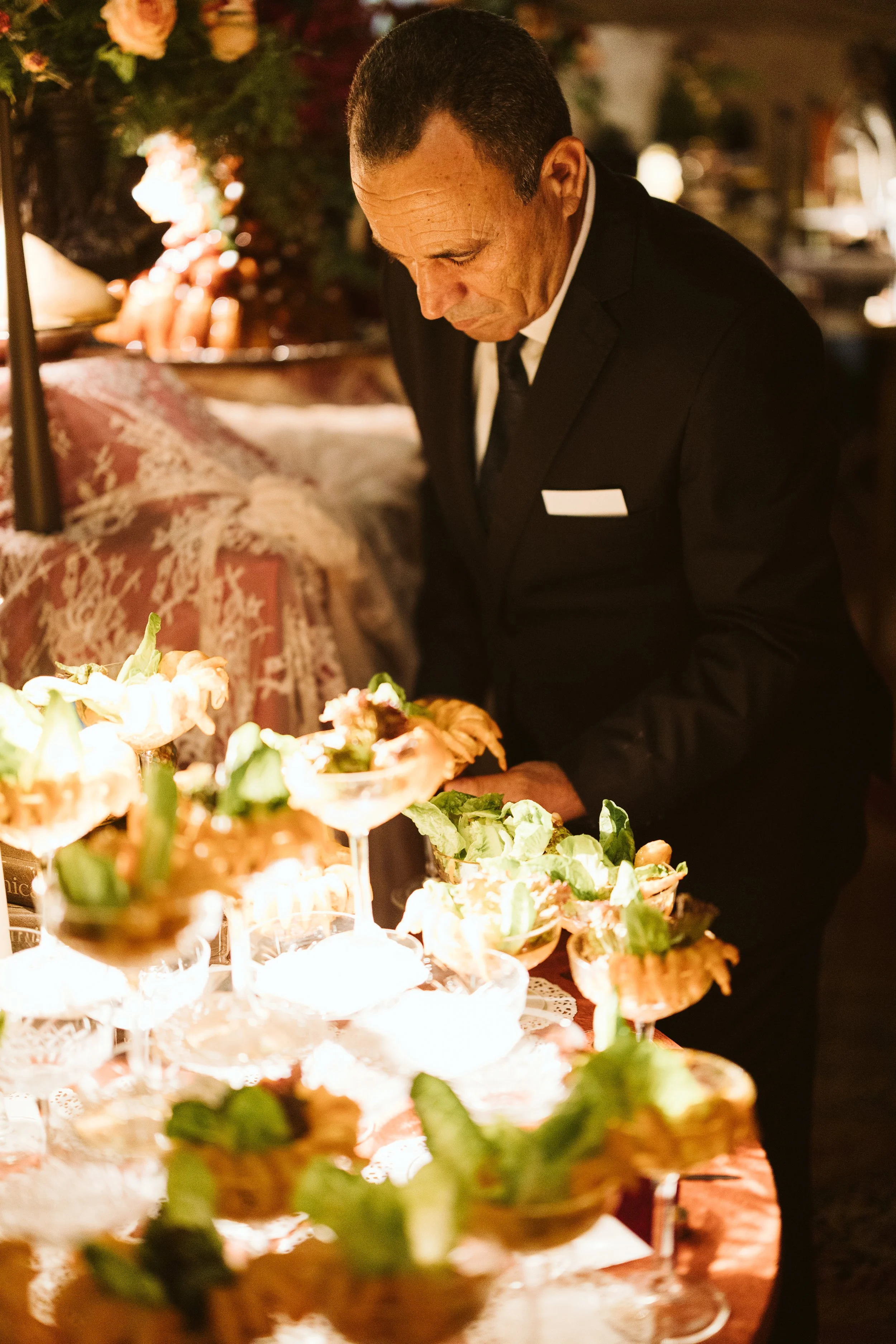
Then came the mid-century table: elegant, cinematic, touched by Armenian warmth. The grand displays vanished, replacing ceremonial extravagance with a focus on forward tempo and gracious informality; a shift aligning with the rise of intimate Art Deco salons and cocktail parties. Smoked salmon canapés echoed the move toward finger foods, and an iconic tower of shrimp cocktail martini coupes illustrated a growing taste for pre-portioned convenience. The tableware thinned into crystal; the lines grew cleaner, more modern. Cairo, by then, had learned to dress with practicality and ease, and the table followed suit.
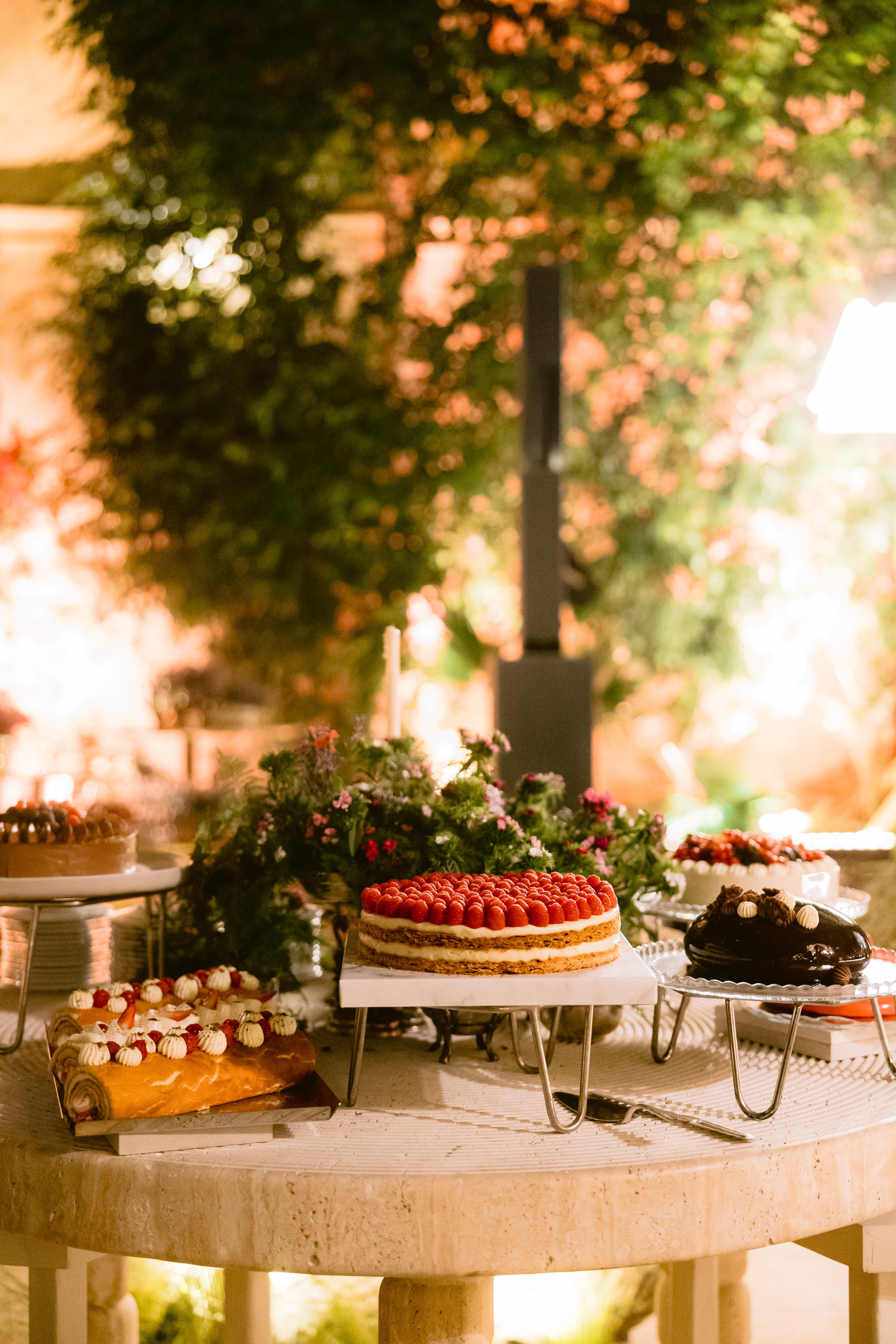
Amidst the spread stood a croquembouche tower, its tiers rising like a century told in choux pastry form. The base began with long éclairs, a neat, aristocratic dessert with an elegant shape befitting the elite banquets of the early 20th century. This gave way to individual, perfectly round profiterole puffs at the center, a shift reflecting the Industrial Age's influence on food. Their geometric neatness and small scale favored the democratization of food and the social ease of the cocktail era.The tower stood crowned with jewels of perfectly moulded choux. This final, polished form a focus on the Modernist Cuisine era's mastery in mechanical technique and conceptual design, utilizing custom moulds to achieve perfection.
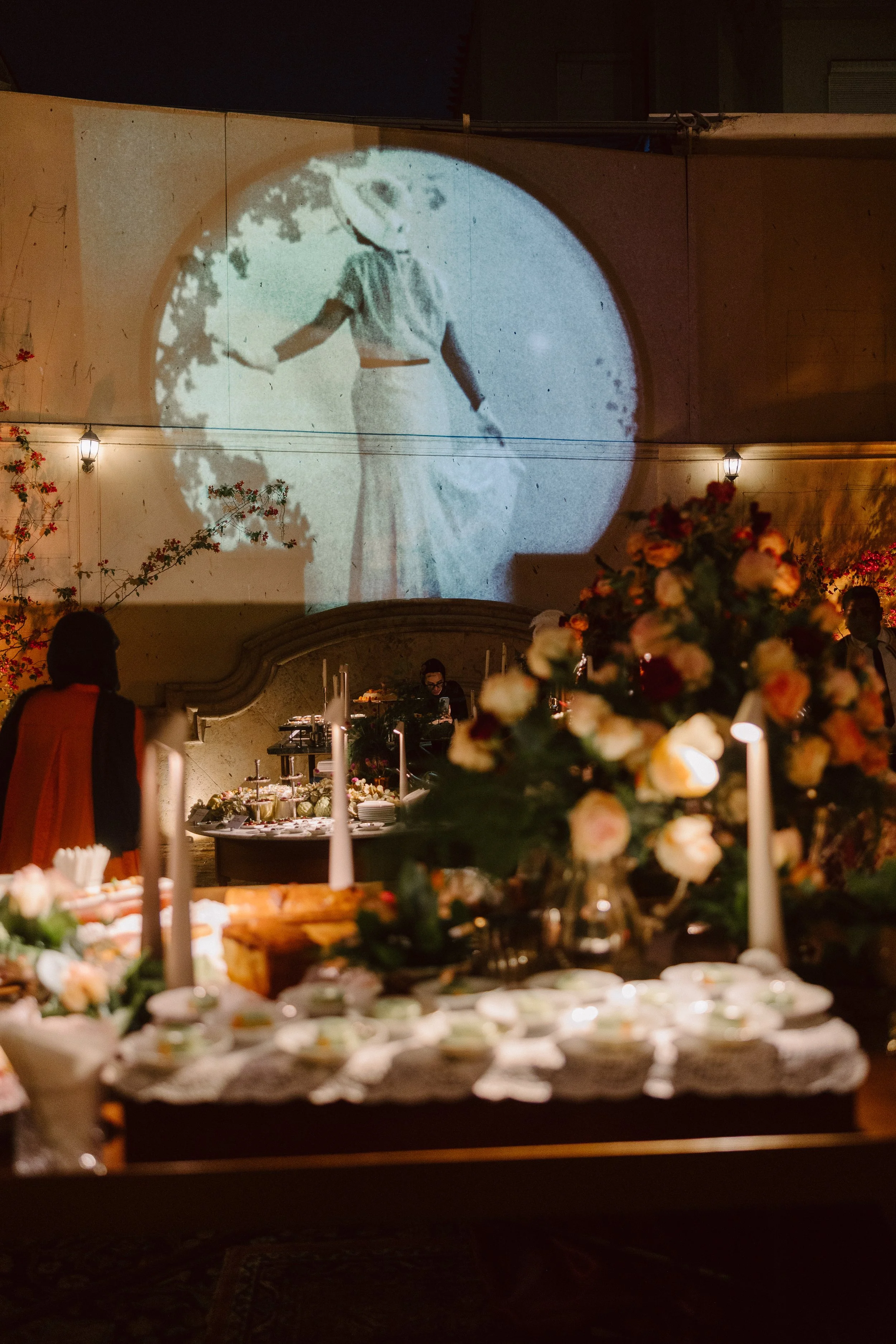
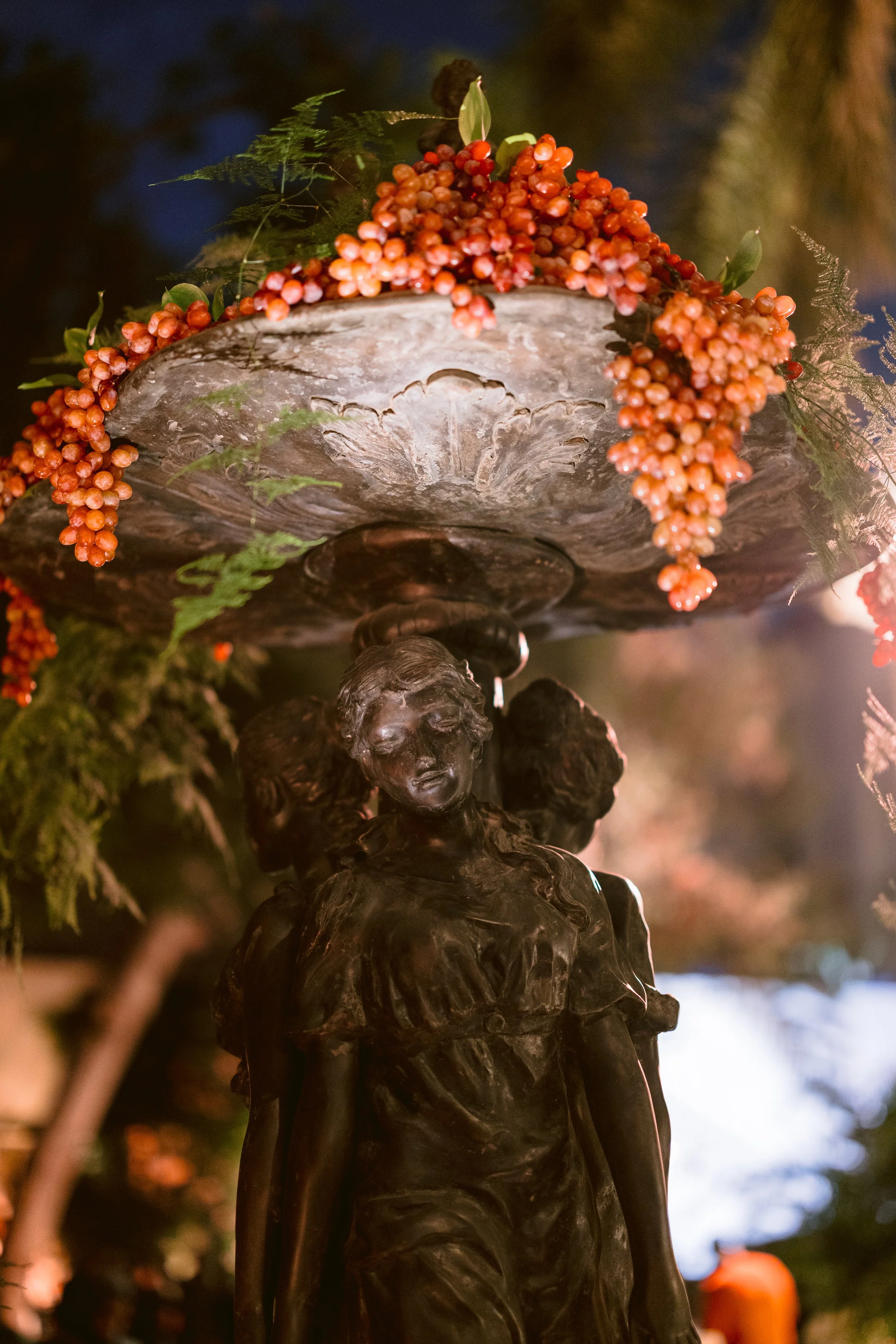
Around the feast, the table became a portrait of epochs, curated with great sensitivity by Donya Raslan. Embroidered linens, bronze figurines, and ornate silver from Atef Wassef whispered of early grandeur. Flowerbar’s botanical compositions breathed life into the mid-century scenes. Sculptural ceramics, design books, Andy Warhol, Zaha Hadid, each one punctuating the narrative of progress. Beyond the tables, projections of vintage cinema curated by Hannah Patten flickered across the garden walls, echoing the dishes and the decades they belonged to. Underfoot, heritage Kahhal Looms softened the scene, weaving the villa’s history in every step. And then, like a final layer of memory, Nathalie Bichara began to sing. Her voice, moving through English, French, and Arabic classics, felt like stepping through the villa’s own soundtrack, one it had been quietly humming for over a hundred years.
In many ways, The Architecture of Taste did more than celebrate design or cuisine. It revealed a side of Villa Magenta that time had gently folded away. Through Fares’s vision and Karim’s craft, the house, its scars, its splendor, its story, opened itself and invited everyone to taste its essence.
For one night, Villa Magenta was not simply visited.
It was remembered, felt and, at last, heard.
THE ARCHITECTURE OF TASTE
The ‘Architecture of Taste’ is a WHEN WE EAT creative dining concept that explores the intersectionality of architecture and cuisine. With each rendition, it travels seeking a dive deeper into the connections that stretch between design and gastronomy. How the two mediums continue to influence one another in an infinite loop of creation and inspiration.
In its first 3 iterations, gastronomy mirrored architecture in a way that explored how art, space, and design influence a chef’s creative output, and how taste, in turn, reshapes our perception of the art. In its first edition, the concept explored the lasting influences of 19th-century Italian architecture across Cairo. Next, it paid tribute to an iconic Downtown city block anchored by the renowned landmark that is Tamara Haus. Most recently, it transformed Hyatt Centric Cairo West Hotel’s impressive collection of contemporary Egyptian artworks into a six-course menu inspired by the pieces themselves.
WHEN WE EAT, we explore what experience and emotions we would elicit to perceive not just space, but design in particular. The influence design has on a chef’s creative output, the impact a piece of art, furniture, design, jewelry or a space has on the perception of taste, and inversely, the influence taste has on the perception of art.